

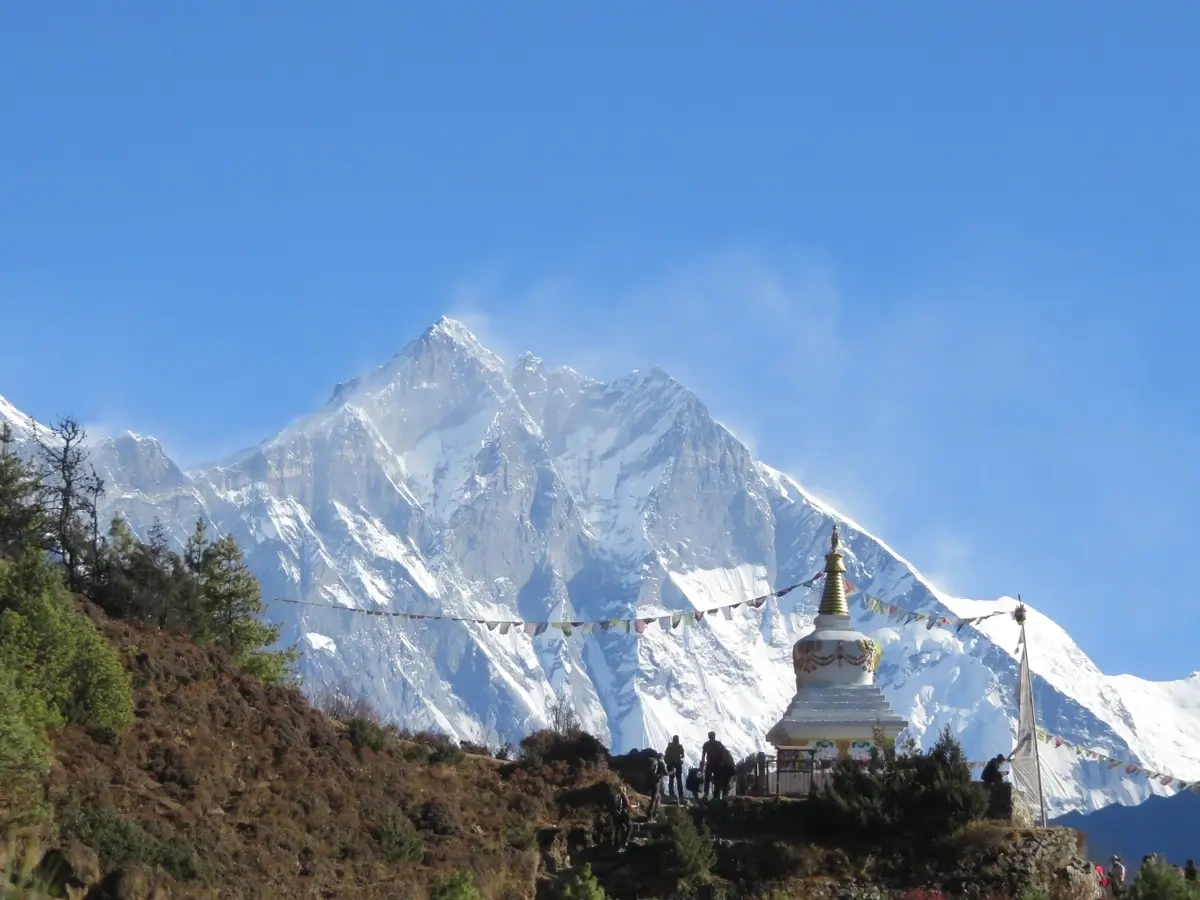
The Everest Three Passes Trek is one of Nepal’s most adventurous and challenging high-altitude journeys that takes you deep into the heart of the Everest Himalayas without missing any of the major highlights that it is known for. Three high mountain passes, Kongma La, Cho La, and Renjo La, followed by Everest Base Camp, Kala Patthar, Gokyo Ri, and Gokyo Lakes, all 5,000 m above sea level, this Himalayan journey is not for people with weak hearts.
Though the 19 days for the Everest Three Passes Trekking Itinerary also typically begins with a mountain flight to Lukla, as do the Everest Circuit Trek, Gokyo Lakes Trek, and the classic Everest Base Camp Trek, most of the time you follow the less trodden routes, ensuring you a more serene high Himalayan trekking experience with constant close-up views of the Everest Himalayas, including Lhotse, Nuptse, Ama Dablam, and, of course, Mt. Everest itself.
Bookings are now open for 2026 and 2027 at Mountain Monarch. Join our fixed group departures in spring and autumn or plan your private or solo Himalayan trip; either way, the Everest Three Passes Trek Cost from I Trek Himalayan is reasonable. While the exact Everest Three Passes Trekking Cost may vary based on the customization made, including for the years 2026 and 2027, it is transparent at I Trek Himalayan.
Based at the center of the Kathmandu Valley, Thamel, led by a highly experienced mountain guide with more than two decades of dedication to eco-friendly tourism in Nepal, each travel, tour, trek, and climb package we offer, including the Everest Three Passes Trek Itinerary, highly prioritizes your health, safety, and satisfaction. Contact us now and share your plan for a dream Himalayan adventure trip; we strive to make it come true.
Highlights
- An incredibly adventurous start and end of the Himalayan trip with the flight to and from one of the world's most dangerous airports, Lukla.
- An opportunity to see the diverse landscape of one of the natural UNESCO World Heritage sites from Nepal, the Sagarmatha National Park, a home to a wide range of flora and fauna, and a potential sightseeing.
- Explore the Sherpa villages such as Namche, Dingboche, and others, giving you a window into the life of Sherpas.
- Crossing three of the Everest high mountain passes: Kong Ma La, Cho La, and Renjo La.
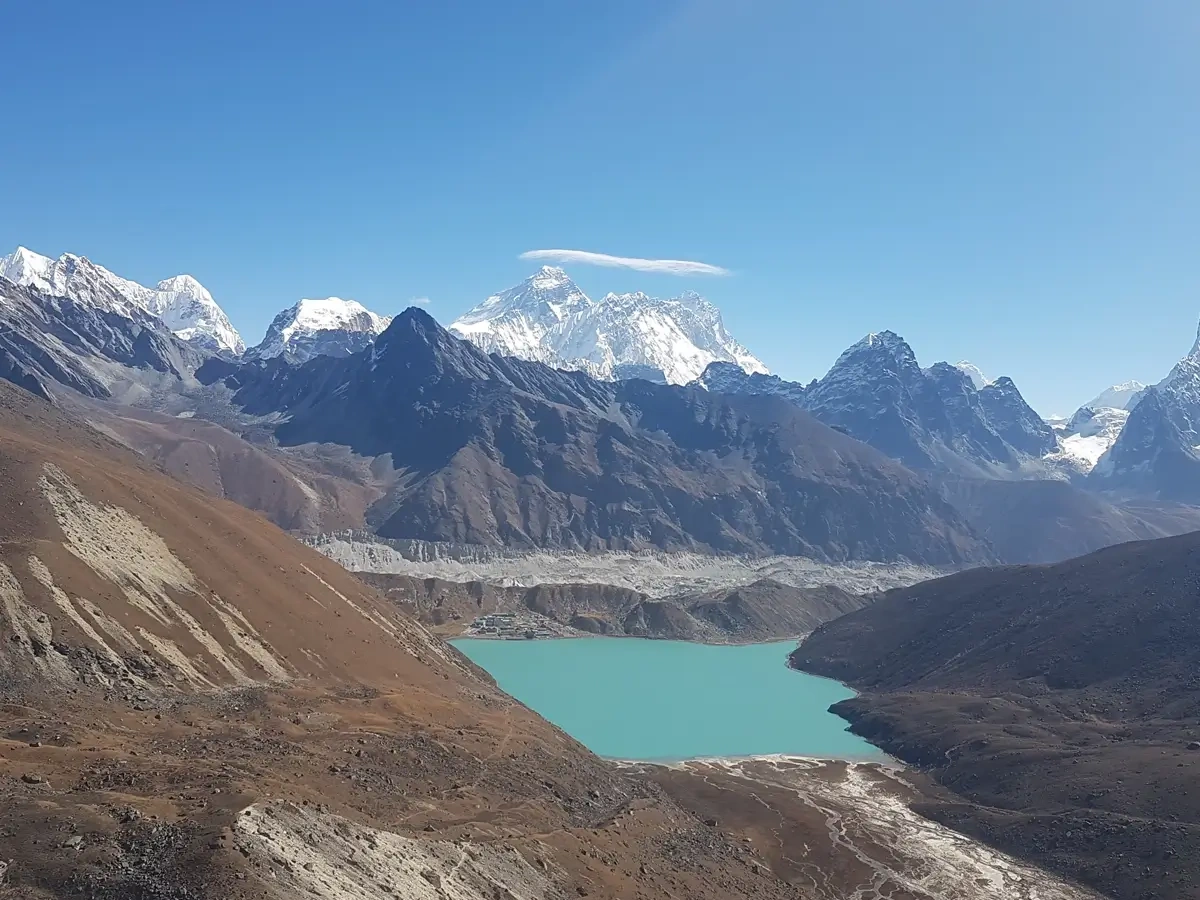
- Close-up views of multiple tops of the world, once the journey begins, such as Everest, Makalu, Lhotse, Cho Oyu, and others, are especially stunning from high-altitude ridges, peaks, and landmarks like Kala Patthar, Gokyo Ri, and Everest Base Camp itself.
- Leave your footprint in some of the most isolated and lesser-known Everest regions and valleys: Gokyo and Imja after Khumbu.
- Several monasteries, mani walls, and gompas showcase close cultural ties to Tibet and Tibetan Buddhism, adding to the mysterious vibe of the region.
- The beautiful and sacred lakes of Gokyo, moments of self-reflection and mindfulness guaranteed, and many more.
What to expect during the 19 days Everest Three Passes hike in Nepal?
The Everest Three High Passes Trek is one such Everest trekking route that is crafted especially for seasoned trekkers looking forward to doing an adventure with an extraordinary sense of achievement. If you are a first timer, it is best that you begin with the moderately difficult and mid-length Everest Base Camp Trek or a similar type of Himalayan hiking trip in Nepal, such as the Annapurna Base Camp Trek.
To rugged, remote, and isolated parts of the Everest Himalayas connected by high mountain passes, this Everest Three Passes Trekking is not for people with faint hearts. More than two weeks of high altitude trekking each day, including at least 5-8 hours of daily hike with reduced oxygen, it is both physically and mentally demanding as it is equally rewarding, with the most pristine corners of the Himalayas where only a few have explored.
A complete exploration of the Sagarmatha National Park
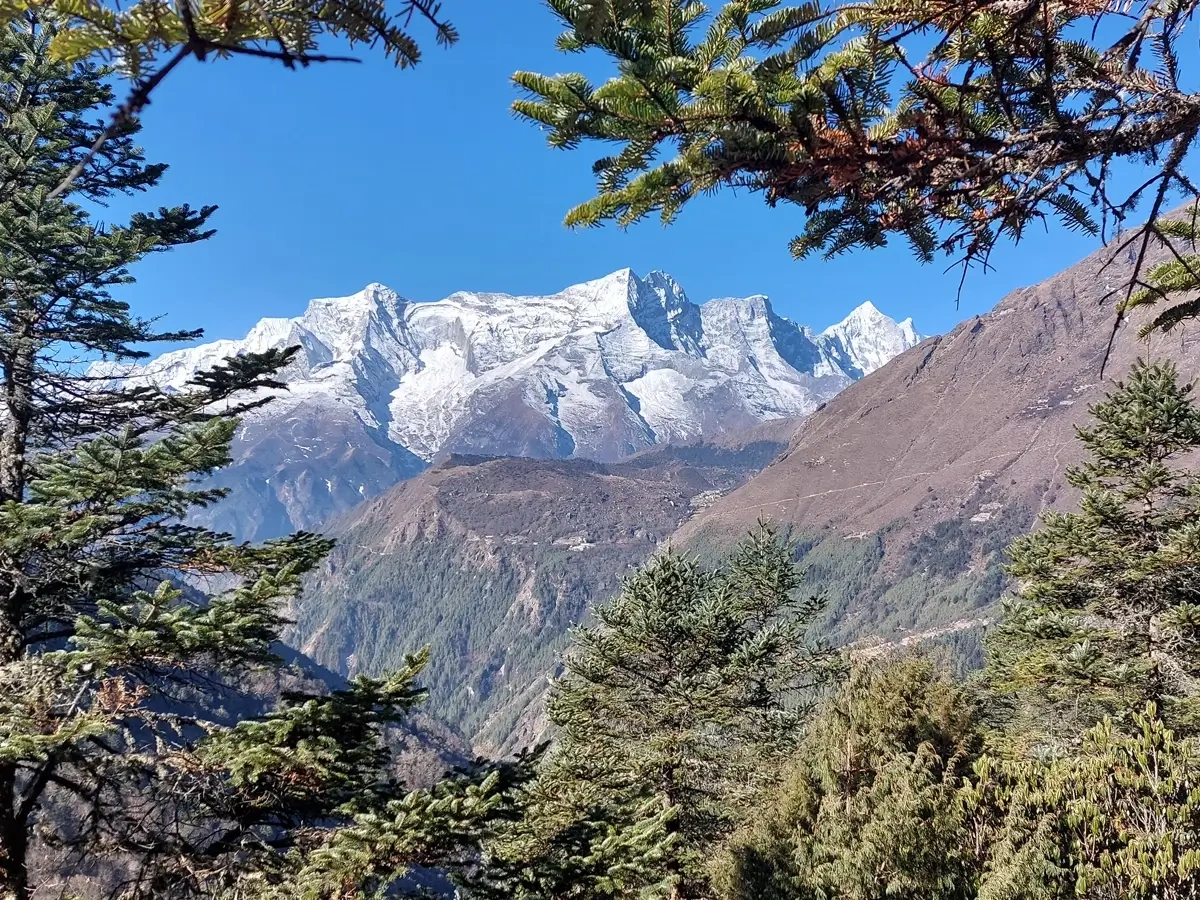
The Three High Pass Everest Trekking route, similar to the Everest Circuit Trek, Gokyo Lakes Trek, and also the Everest View Trek, is also part of the larger Sagarmatha National Park. One of the natural UNESCO World Heritage Sites, as you begin trekking from around 2,000 m above sea level and reach several high-altitude landmarks, 5,000 m above sea level, you have an opportunity for a deeper understanding of the region.
From the legends of Yeti to spotting a majestic clouded snow leopard on a very fortunate day, it all adds to the thrill and makes it worthwhile. Even if you are aligned with realism and naturalist home to a diverse range of flora and fauna, the Sagarmatha National Park’s diverse ecosystem, which also provides natural habitat for the rare species of Himalayan musk, Himalayan black bear, and others, won’t disappoint you.
Crossing of the three iconic Everest Mountain Passes
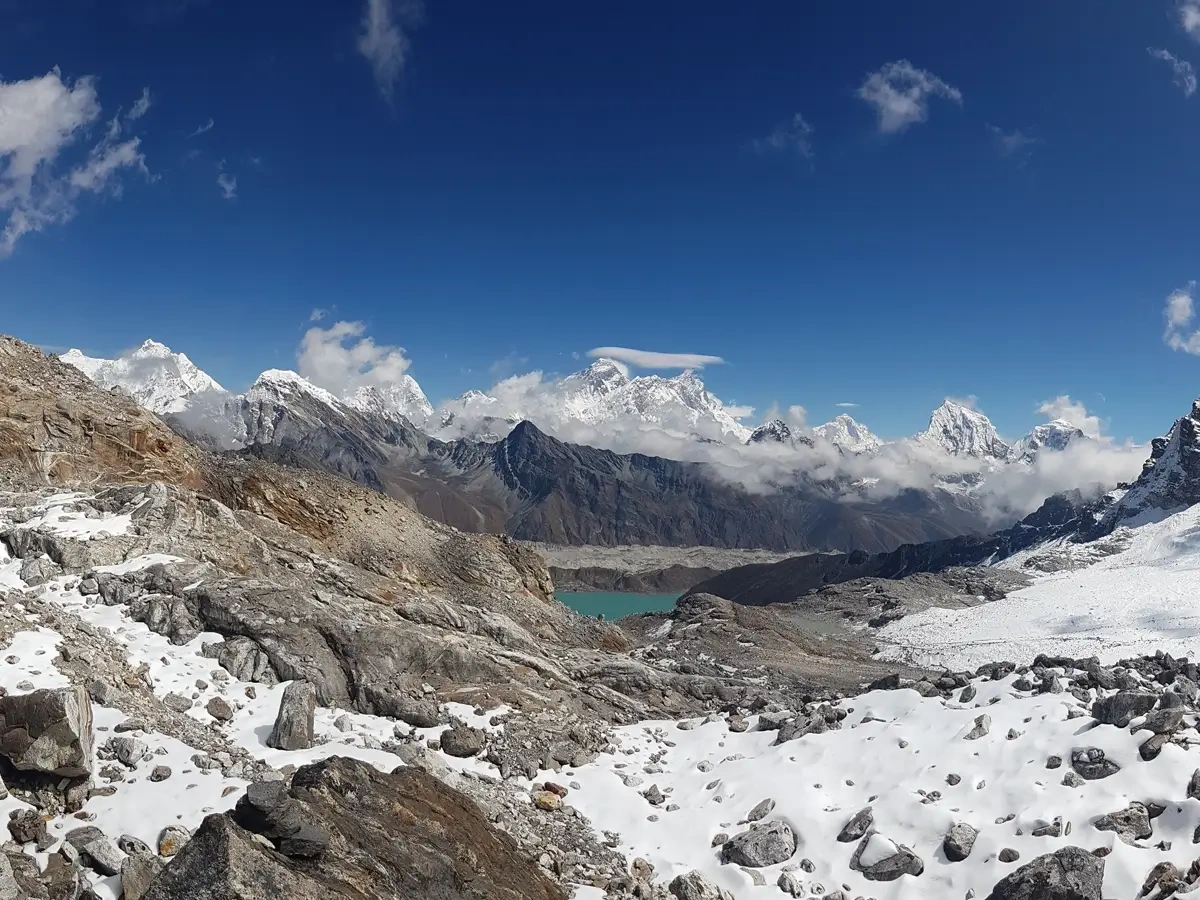
As the name suggests, the main highlight of the Everest Three High Passes hike is the three iconic mountain passes, all of which are 5,000 m above sea level and connect you to the lesser-known parts of the Everest Himalayas in Nepal. Kong Ma La (5,535 m), Cho La (5,367 m), and Renjo La (5,360 m), respectively. These are both the most challenging sections and rewarding phases due to steeply ascending and descending routes and rugged terrain.
Often snowy, it is intriguing for daredevils, especially when you stand at the heart of the majestic sky-perching, snow-capped surrounding peaks, some measuring 8,000 m above sea level, the tops of the world, such as Lhotse, Makalu, and Cho Oyu, including the tallest peak on earth, Mt. Everest (8,848.86 m). These passes ensure you a bittersweet yet addictive high Himalayan adventure during the 19 days trek to the Everest Three High Passes.
An insider's insight into Sherpa culture and lifestyle
In terms of ethnic communities, a larger number of Sherpas call the Upper Himalayas home, which you will explore during the Everest Three High Passes Trekking journey. The villages where you stop by for an overnight stay at a teahouse are located between these villages, such as Namche Bazaar, Dingboche, Gokyo, Dzongla, and others. As you can also see in detail, this Everest Three High Passes Trekking Itinerary provides you a window into their life.
One of the indigenous communities of Nepal, who have made their names in the climbing and mountaineering world for their extraordinary skills and adaptation to arduous mountainous surroundings, earning them the nickname "the tigers of snow," as you encounter them daily, often sharing meals. You will be amazed by the simple yet content life with cultural roots to Tibetan Buddhism that reveres the mountains as gods and goddesses beyond just a peak.
Make it to the summits of Kala Patthar, Gokyo Ri, and the EBC
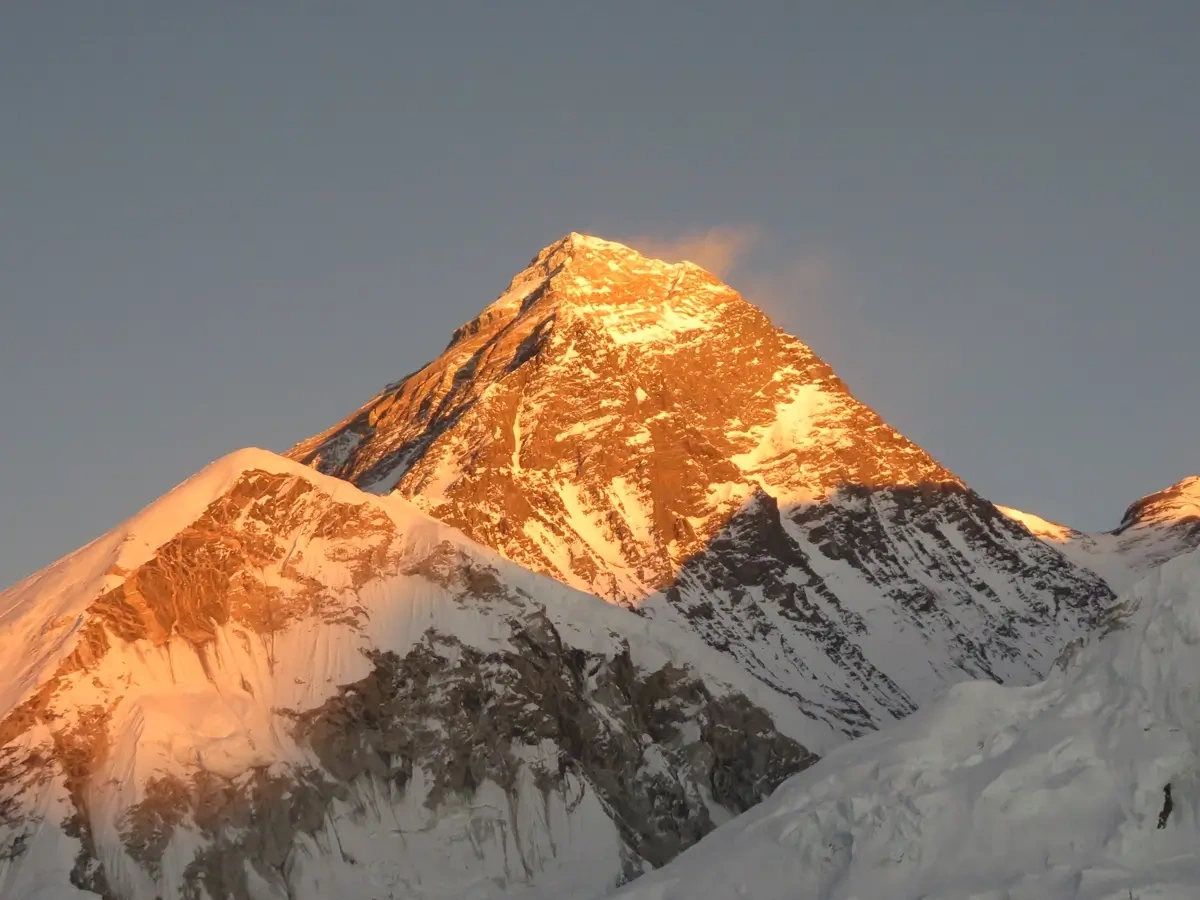
At elevations of between 5,545 meters (18,192 ft) and 5,644.5 meters (18,519 ft), 5,357 meters (17,575 feet), and 5,364 meters above sea level, Kala Patthar, Gokyo Ri, and Everest Base Camp, the Everest Three High Mountain Passes Trekking Itinerary includes reaching the summit point of all these magnificent heights. The sunrise and sunset views from here are especially popular when you watch the majestic peaks covered in golden hues.
Kala Patthar has the closest view of Mt. Everest without summiting the peak itself, while Everest Base Camp is the closest you get to be, and Gokyo Ri is renowned for its 360-degree full view of at least four of the tops of the world: Mt. Everest, Lhotse, Makalu, and Cho Oyu. Like, are the rewards like, are the challenges? Therefore, after high mountain passes, these are also the points that ensure you moments of pure adventure and achievement.