

The Everest Base Camp and Island Peak Climbing combines the classic Everest Himalayan high-altitude trekking with the iconic 6,000 m peak climbing in Nepal. A premier Himalayan trekking experience with beginner-friendly mountaineering is its specialty. The 19 days for the Everest Base Camp and Island Peak Climbing Itinerary begin with a mountain flight to Lukla from Kathmandu, and you head deeper into the legendary Khumbu Valley.
Within the Sagarmatha National Park, which is also one of the UNESCO World Heritage Sites for being home to both a wide range of flora and fauna and diverse ethnic communities of Nepal, with a higher population of Sherpas in the higher Himalayas, and the various Himalayan ecosystems at the heart of the highest mountain peak in the world, Mt. Everest (8,848.89 m), the Everest Base Camp (EBC) Trek with the Island Peak Climb is rewarding.
Throughout the Everest Base Camp and Island Peak Climbing Himalayan Trip, trekkers and climbers are treated to stunning mountain views. A first trek to Everest Base Camp and Kala Patthar before beginning the ascent to Island Peak allows proper acclimatization. That is why the 19 days is considered the best Everest Base Camp and Island Peak Expedition itinerary, including for the years 2026 and 2027.
Book early or with a group of at least 10 trekkers or climbers and enjoy exclusive discounts on the Everest Base Camp and Island Peak climbing cost. Our comprehensive package of the Everest Base Camp and Island Peak Expedition Cost includes meals, lodges, arrangements of both trekking and climbing permits, mountain guides, and also essential transportation for your hassle-free experience. Contact us now and reserve your seat.
What to expect during a combined trip to Everest Base Camp and Island Peak Summit?
As the name suggests, at first, trekkers and climbers follow the classic Everest Base Camp Trekking trail, historical and once trodden by the legendary Sir Edmund Hillary and Tenzing Norgay Sherpa, remembered for the first successful ascent of Mount Everest (8,848.86 m), locally called Sagarmatha and Chomolungma in Tibet. The trek is moderately challenging and rewarding as it passes by Sherpa villages, forested trails, and some steep ascents.
In addition, it also prepares and keeps you properly acclimatized for the upcoming journey to climb Island Peak, originally called Imja Tse. As you trace the relatively off-the-beaten-path to arrive at Chhukung, also called the Island Peak Base Camp, while the actual base camp lies just above it, you can look forward to intimate cultural and natural experiences. Overall, if prepared well, EBC and Island Peak Climbing offer you a balance of unmatched thrill.
The diversity of the Sagarmatha National Park: How diverse is it?
Both the trekking and climbing to make it to Everest Base Camp (EBC) and Island Peak take you through a part of the Sagarmatha National Park, which is also one of the UNESCO World Heritage Sites in Nepal. Spread over an area of 1,148 square kilometers, the park features a diverse Himalayan ecosystem, from lush subtropical forests to alpine meadows and barren high-altitude landscapes, in stark contrast to snowy mountain peaks.
The forests of oak, pine, and rhododendron are further scenic in spring as most of them bloom, with cascading waterfalls, streams, and glaciers above. It provides a perfect natural habitat for a wide range of Himalayan wildlife that you may encounter on the Himalayan trip to Everest Base Camp and Island Peak. On your lucky day, you may even come across rare species of red panda, Himalayan tahr, and snow leopard as well.
Where to stop for better cultural immersion during the trek to Everest Base Camp and climb to Island Peak?
Several mountain villages in the Khumbu Valleys of Nepal provide you with a closer insight and deeper understanding of the Himalayan culture, customs, and traditions while you are on the Everest treks and climbs, including the combined trekking and climbing journey to Everest Base Camp and Island Peak. Namche Bazaar, Tengboche, Dingboche, Lobuche, and Chhukung—most of these are Sherpa villages.
The trekking trail to these villages and the mountain villages themselves often features mani walls, monasteries, gompas, and prayer wheels, often adorned with colorful prayer flags. Their way of living and these monuments also reflect close cultural ties to Tibet and Tibetan Buddhism, and when you spend several nights at teahouses, a home opened by Himalayan locals for guests, offers an immersive experience on the EBC Trek and Island Peak Climb.
Which is higher: Everest Base Camp or Island Peak?
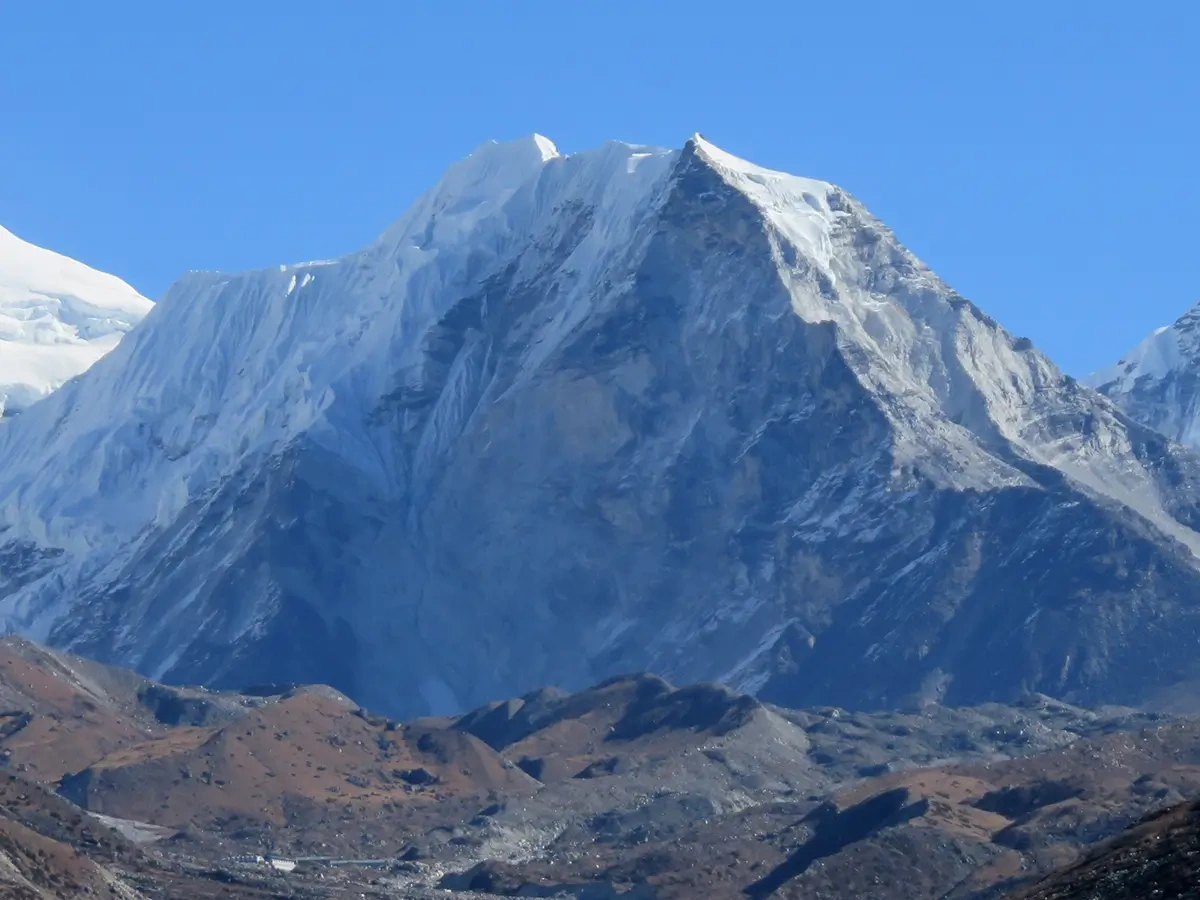
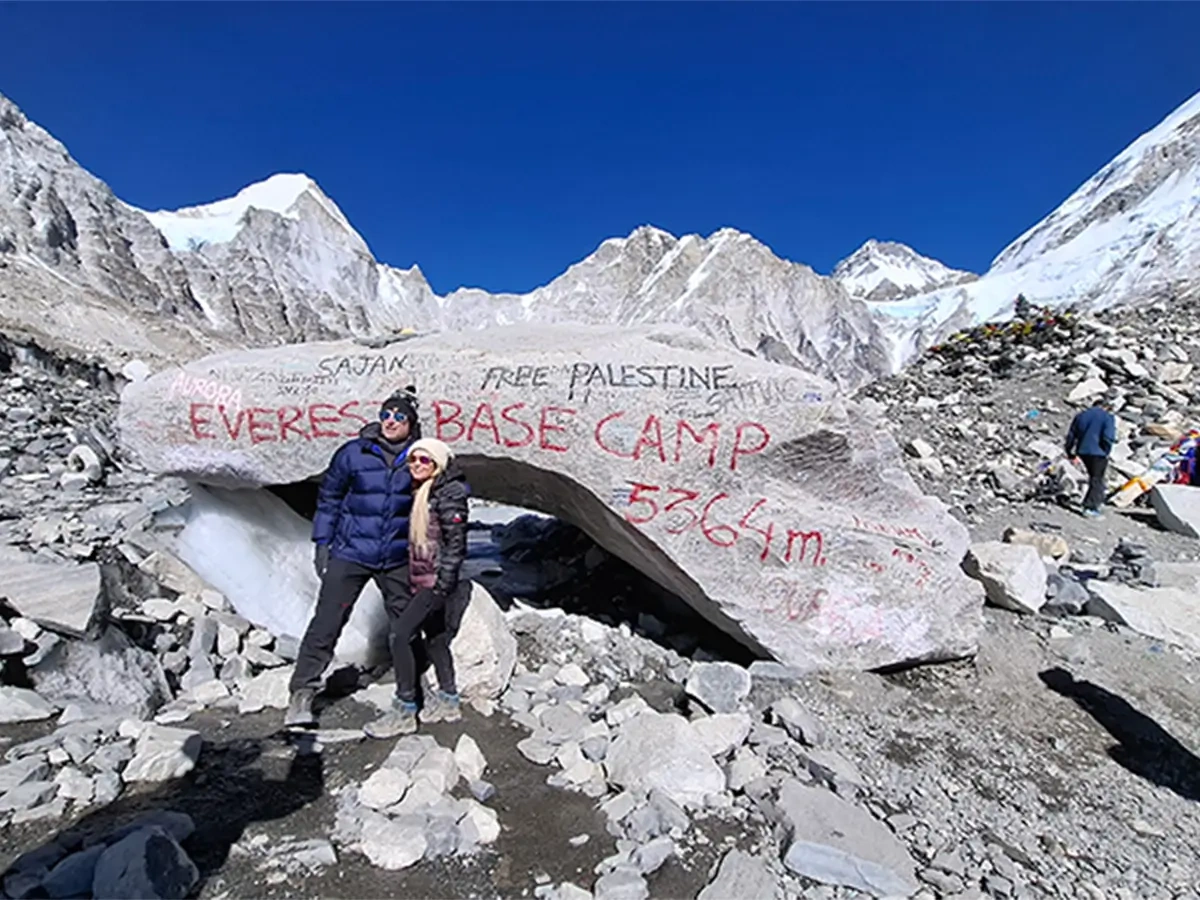
Everest Base Camp is nestled at around 5,364 m above sea level and is surrounded by chains of high, majestic mountain peaks. Likewise, rising like an “island” rising from a sea of glaciers as seen from Dingboche and named so Island Peak (Imja Tse), it sits at an altitude of approximately 6,189 m/20,305 ft above sea level, and on this 19 days combined Himalayan trip, you are to conquer both with more stunning and open mountain views.
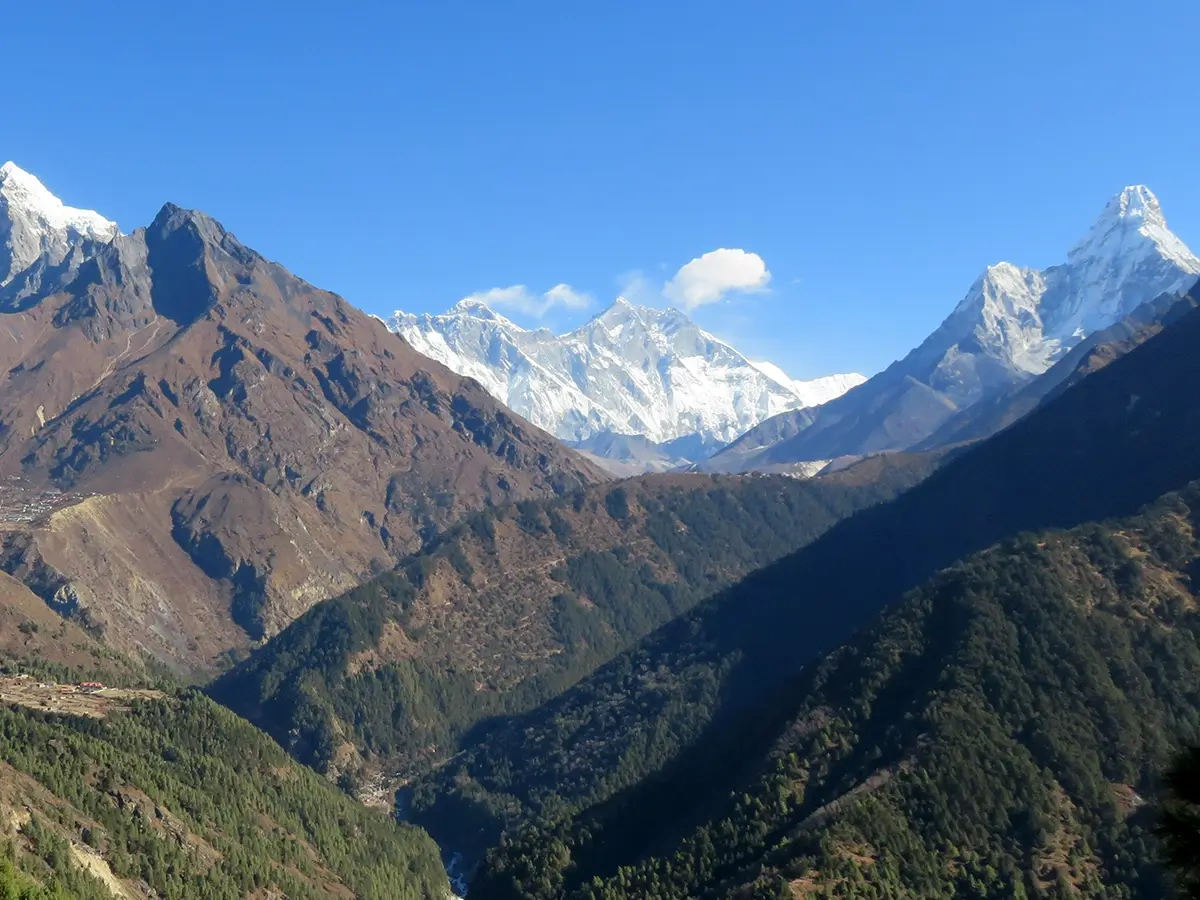
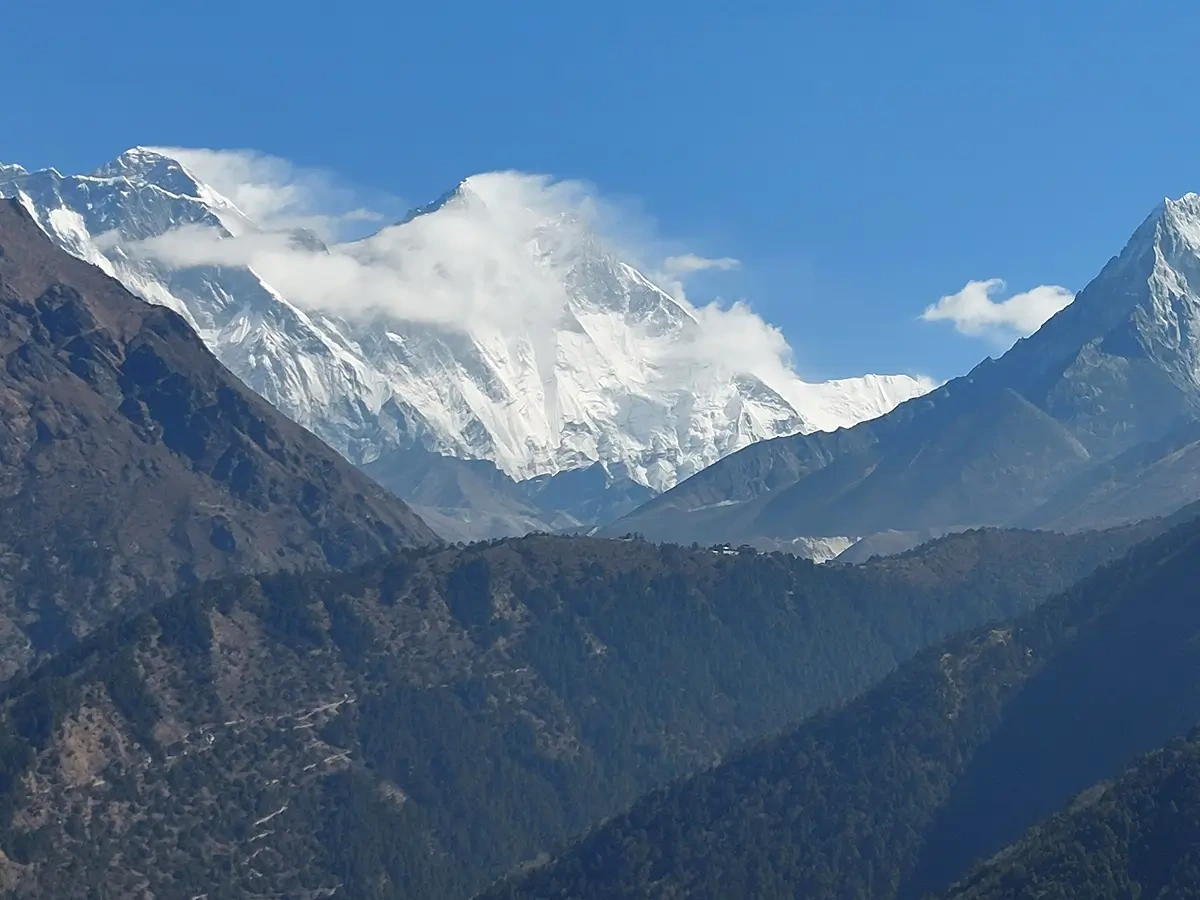
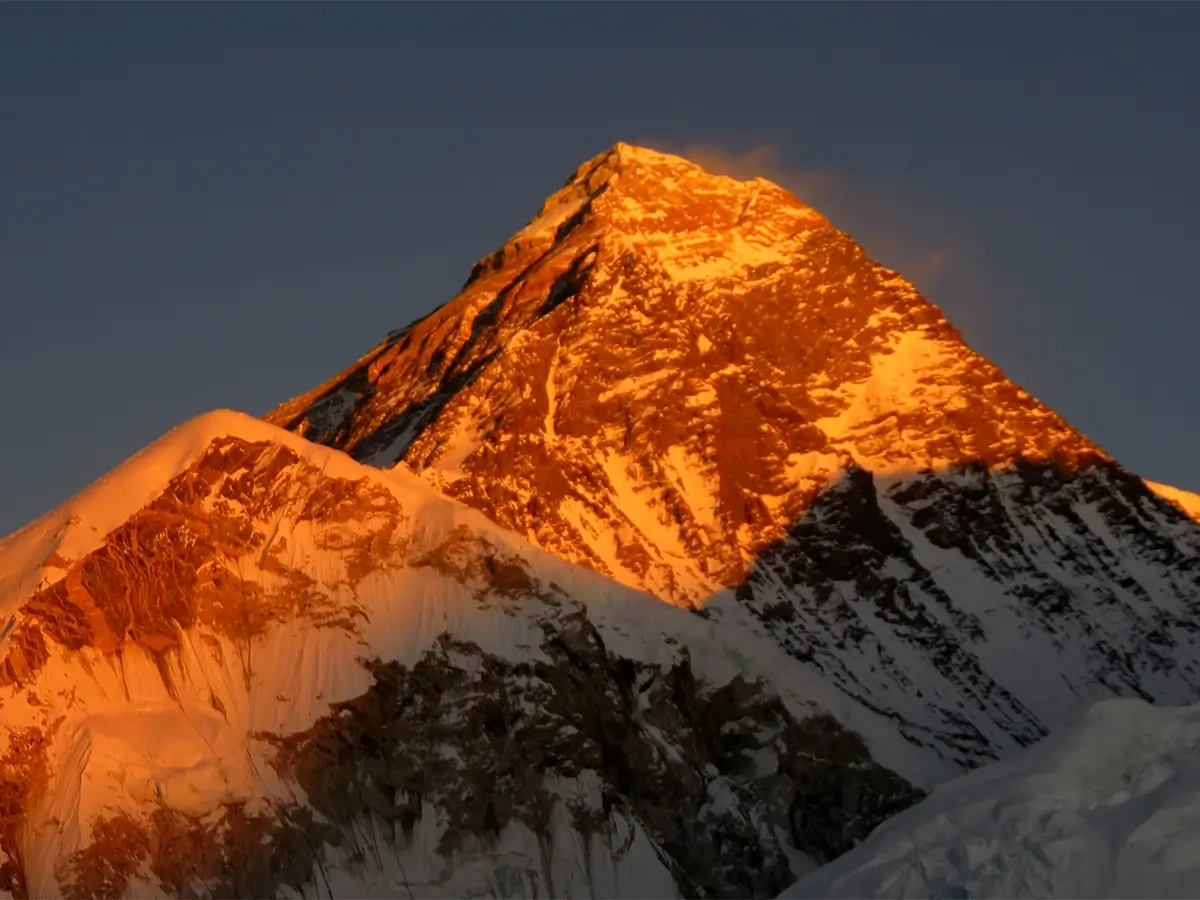
Everest Base Camp is the closest you would be to Mount Everest without summiting the peak itself. As per the view from Kala Patthar, located at around 5,644 m, it appears just above the head. The scenery is especially out of this world during sunrise and sunset, and you do not miss this on the Everest Base Camp and Island Peak Climbing Itinerary of 19 days. Everest, Lhotse, Ama Dablam, Makalu, Baruntse, Nuptse, and others ensure visual retreat.
Why does the Island Peak Summit Day begin earlier than usual?
After a day and night at Island Peak Base Camp, where you also prepare for the main summit day, a Sherpa mountain guide from I Trek Himalayan shares safety tips, such as hiking up and sleeping low, and also aids in building up your climbing skills. You begin to climb even before dawn on the summit day so that you can complete both the ascent and descent without encountering the afternoon’s notoriously stormy weather.
You begin around 2 - 3 am in the morning. Some glacial, snowy, and exposed crevasses walking is what makes it slightly more technical than the Mera Peak Climbing and tests your knowledge on the use of essential trekking and climbing equipment. Here, it is extremely important that you listen and follow your guide for a more enhanced experience on the combined trip to trek to Everest Base Camp and Island Peak Climbing.