

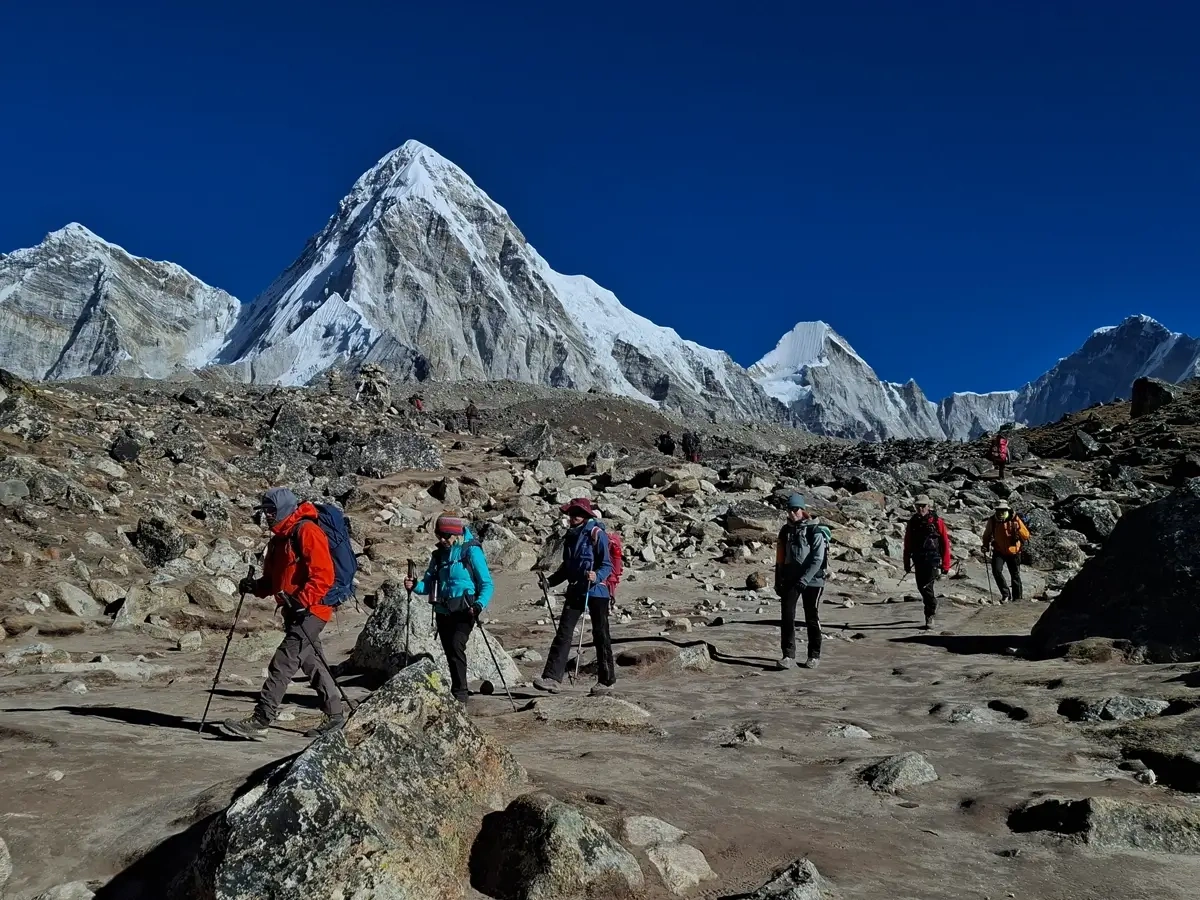
The Everest Base Camp Trek's major highlights include reaching the foot of the tallest mountain peak in the world, Mt. Everest (8,848.86 m), and it is an iconic Himalayan escape that comes with a wonderful sense of adventure and achievement. The Everest Base Camp Trekking Itinerary of 14 days is handpicked by professional mountain guides for a balanced journey. You make the most out of the epic Himalayan trip.
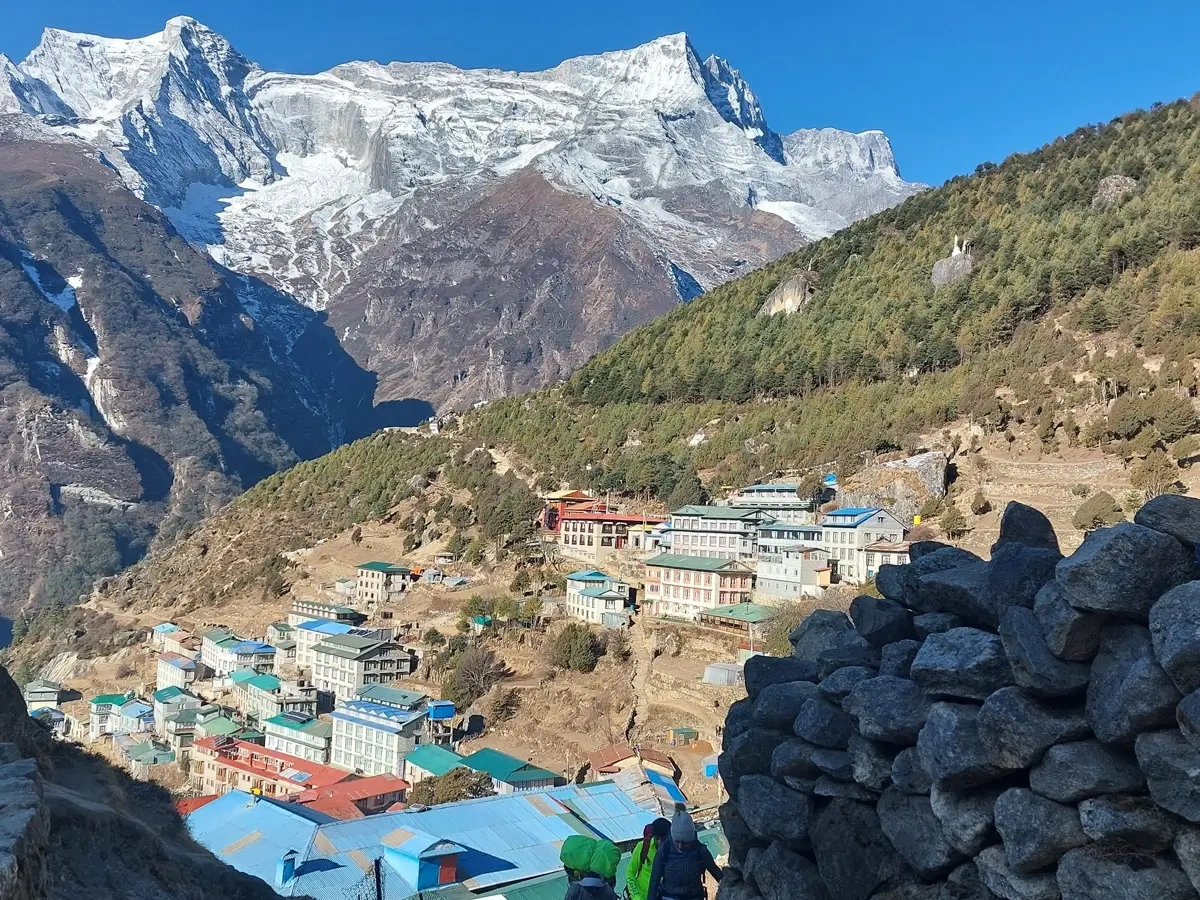
Beginning with a short, scenic, and adrenaline-rushing mountain flight, as you follow the Everest Base Camp Trek Trail, you soon hike through the legendary Khumbu Valley within the Sagarmatha National Park, one of the UNESCO World Heritage Sites in Nepal. Trekkers stop and stay overnight at the Sherpa villages that are tiny yet scenic, such as Phakding, Namche Bazaar, Tengboche, Lobuche, and Dingboche.
The Everest Base Camp Trekking route is well established and further features nicer teahouses, lodges, and guest houses than the more isolated Himalayan trails of Nepal, such as the Upper Dolpo Trek, Kanchenjunga Base Camp Trek, and the Dhaulagiri Circuit Trek. You will have good support from start to end, but what you do is not to underestimate the Himalayas, especially when you hike 5,000 m above sea level to EBC and Kala Patthar.
With proper preparation, acclimatisation, gears, and equipment, it is manageable even for first-timers, especially when the Everest Base Camp Trek cost from I Trek Himalayan is reasonable, including for the years 2026 and 2027. While the exact Everest Base Camp trekking cost may vary depending upon customization made and service chosen, you don’t have to worry; it is transparent and covers meals, lodges, permits, guides, and transport.
Highlights
- A memorable mountain flight to Lukla with amazing aerial mountain scenery and vice versa.
- Traversing the legendary Kumbu Valley, home to one of the ethnic communities of Nepal, Sherpas are celebrated in the world for their extraordinary mountaineering skills and resilience.
- Explore one of the natural UNESCO World Heritage Sites from Nepal, the Sagarmatha National Park, with ample opportunity to encounter a wide range of flora and fauna, including some of the rare Himalayan wildlife.
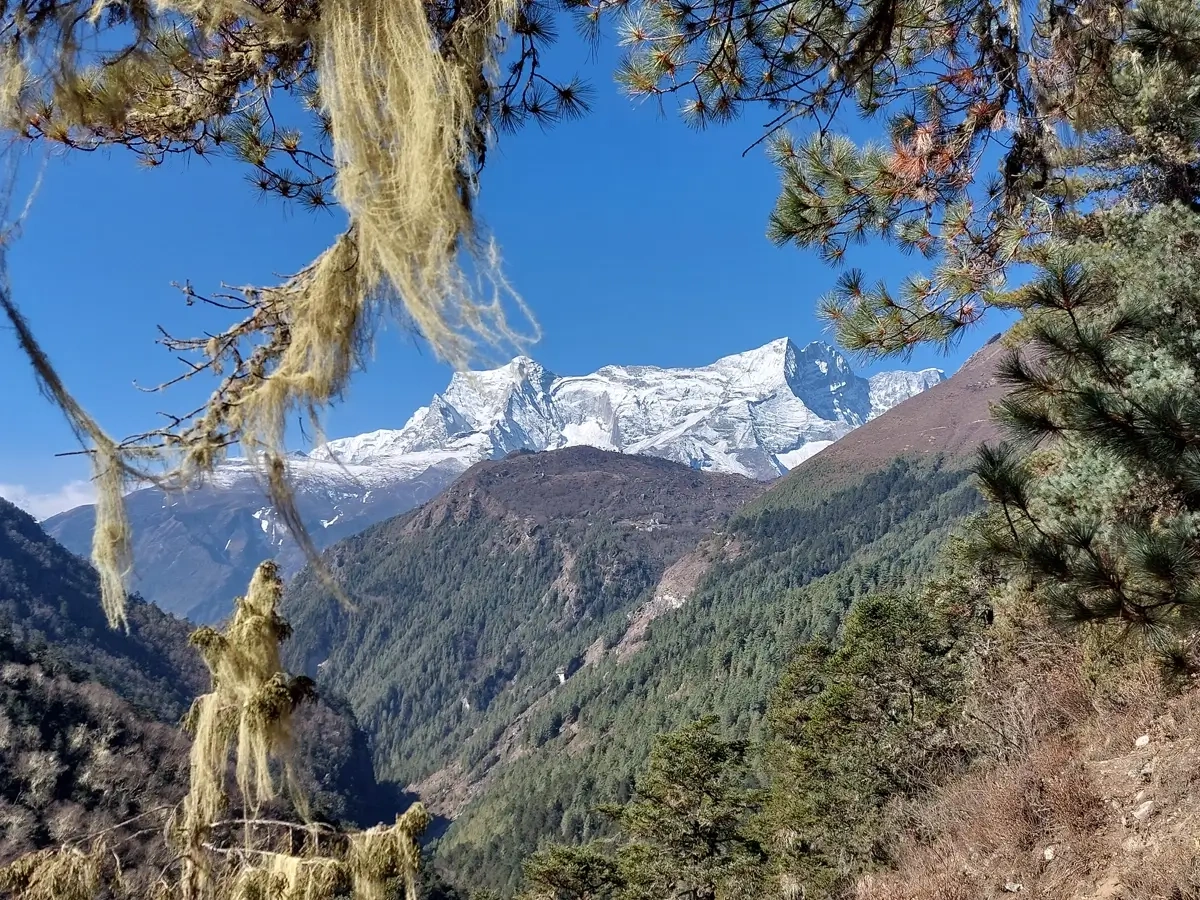
- Witness the beauty of the diverse landscape from dense forested trails to the lands with less vegetation, along with high suspension bridges, cascading waterfalls, and also the mindblowing sunrise mountain views from Kala Patthar.
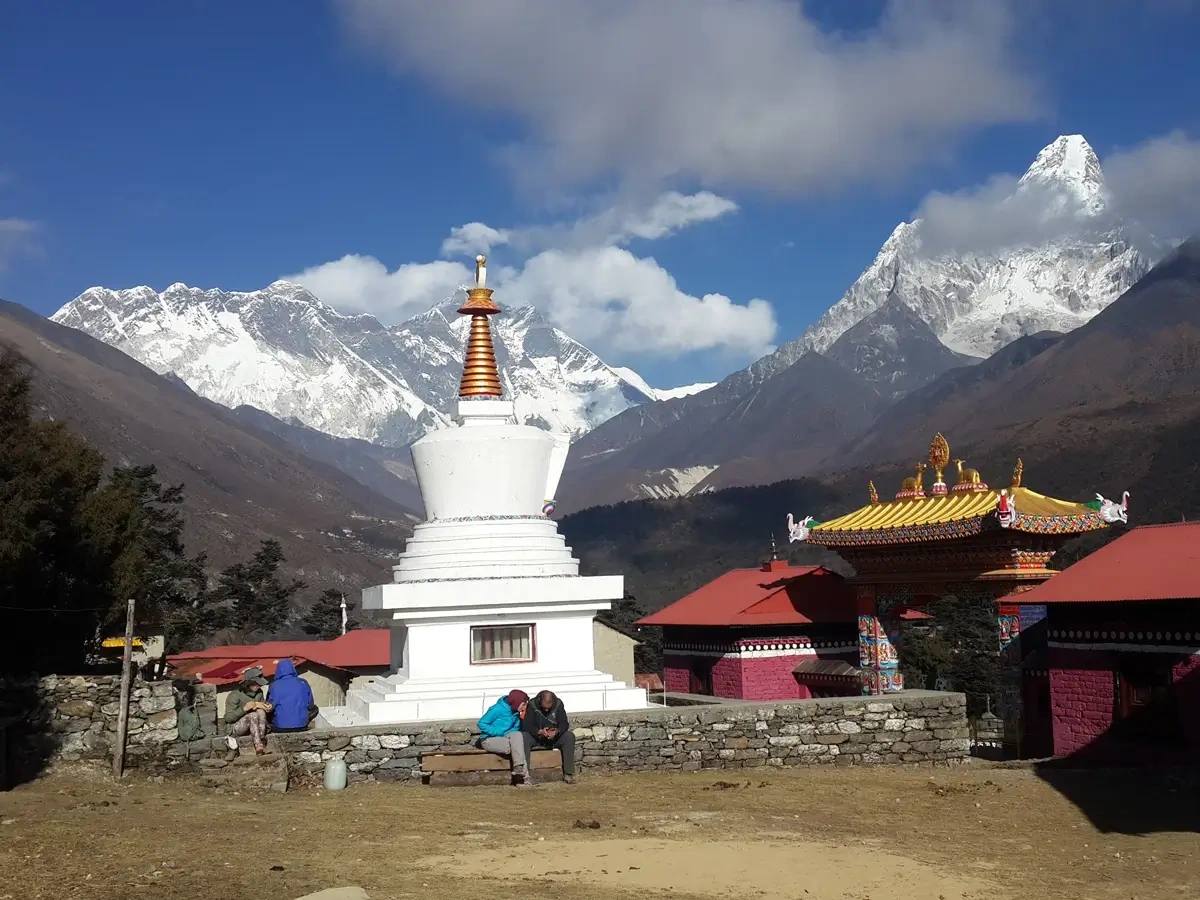
- Visit the largest Buddhist monastery of the Everest trekking region, the spiritual centre of the Khumbu, Tengboche Monastery (3,870 m).
- Conquer the iconic high-altitude landmarks of the Everest Himalayas: the Everest Base Camp (5,364 m) and Kala Patthar (around 5,550 m).
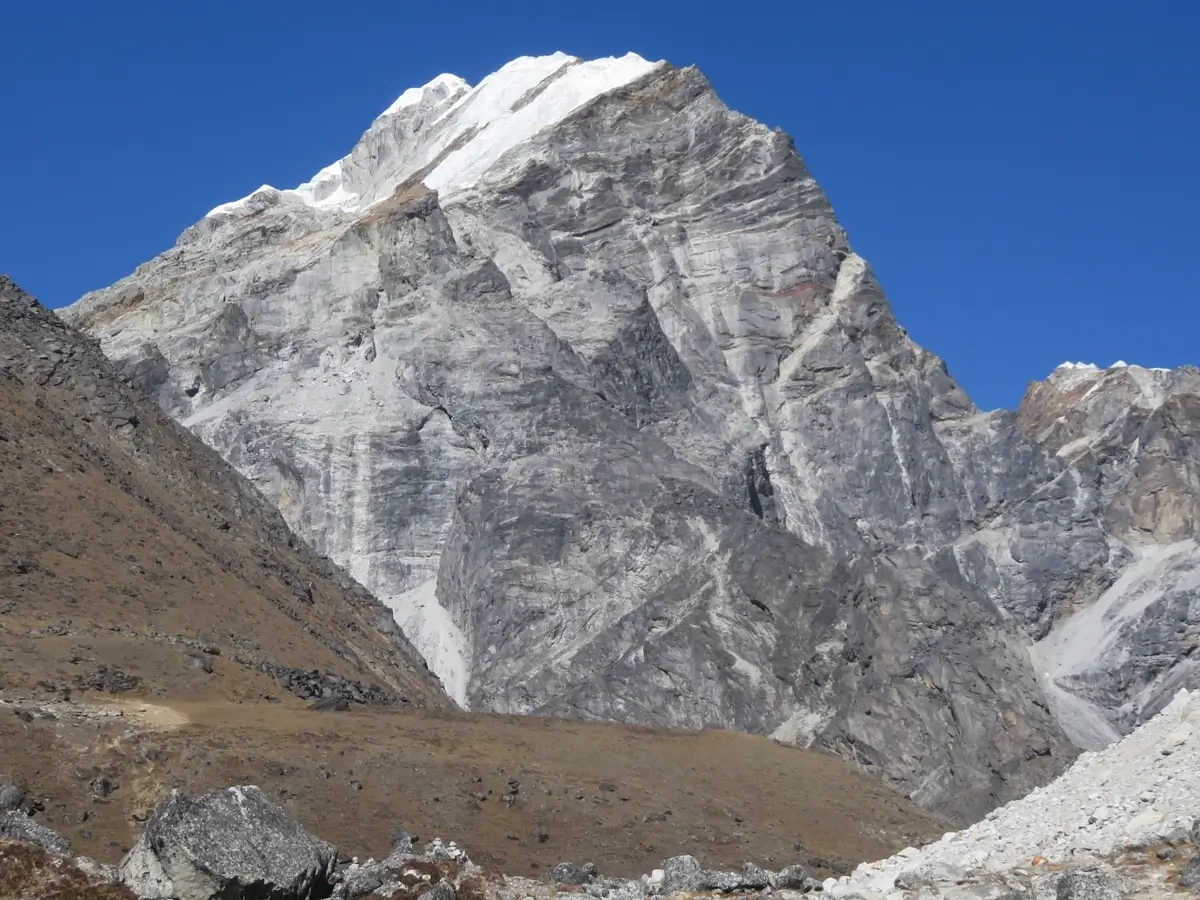
- Breathtaking mountain views from start to end, such as Nuptse, Ama Dablam, Cho Oyu, Kongde Ri, Pumori, Thamserkhu, and at least 3 of the peaks 8,000 m above sea level: Mt. Everest (8,848.86 m/the top of the world), Lhotse, Makalu, etc.
What makes trekking to Everest Base Camp (EBC) special?
There’s a lot to do and see in the Everest trekking and climbing region of Nepal. Home to three of the mountain peaks measuring 8,000 m above sea level, including the top of the world, Mount Everest, and with the primary intent to make its base camp that aspirant climbers and mountaineers in peak trekking and climbing seasons of spring and autumn use as a practice and acclimatisation ground, the journey is as enjoyable as it is challenging.
In the legendary Khumbu Valley that several history makers once traversed, such as Sir Edmund Hillary and Tenzing Norgay Sherpa (the first ones to successfully conquer the highest peak on earth), the Sherpa culture still thrives in mountainous terrains that many find arduous, and epic mountain views stretch as far as eyes can see; every step is filled with unmatchable thrills. A journey worth every bit.
The Legendary Khumbu Valley, Home of Sherpas
The Everest Base Camp Trekking journey includes hiking through and staying at typical mountain villages such as Namche Bazaar, Tengboche, Lobuche, and Dingboche. These Khumbu Valley villages are mostly home to Sherpas at higher altitudes who are famed worldwide for their mountain climbing skills and adaptation to the mountainous terrain. Often dotted with prayer wheels, flags, and Buddhist monasteries, you get to see real Himalayan life.
Among them is the Tengboche Monastery. Located at an elevation of around 3,870 m, Tengboche is also the largest Buddhist monastery in the Everest trekking and climbing region of Nepal. At the heart of the unique pyramid-shaped mountain, Ama Dablam, other than being the perfect place to close your eyes and soak in the true serenity of the Himalayas, it also serves as one of the best viewpoints to take a break and enjoy the mountain views.
The UNESCO World Heritage Site, the Sagarmatha National Park
The entire Everest Base Camp Hiking Trail comes under the Sagarmatha National Park, which is further one of the natural UNESCO World Heritage Sites and is home to a diverse range of flora and fauna, like the landscape from lush subtropical forests to barren lands with minimal vegetation in stark contrast to snow-covered mountain ranges. Keep your lens ready; the Everest Base Camp Trek won’t disappoint you.
Why is Kala Patthar called the ultimate Everest viewpoint? Its significance
Now famous as the ultimate Everest viewpoint, Kala Patthar, located at an elevation of around 5,644 m above sea level, was a place where mountaineers used to visit to predict the weather for Everest expeditions. Kala Patthar, which is higher than Everest Base Camp and the closest point to Mt. Everest without actually climbing the peak, offers the best view of Everest compared to other viewpoints, excluding its summit.
The view from here is further magical during sunrise and sunset. It is why you will wake up earlier than usual in the morning to enjoy the 360-degree views of mountains and landscapes coming alive with the first ray of sunlight. A worthwhile side trip on the Everest Base Camp Trek itinerary. On a clear weather day, you are to be treated with the most stunning sights of Lhotse, Nuptse, Pumori, Ama Dablam, and Khumbu Glacier beside Everest.
Is it beneficial to extend the Everest Base Camp Trekking itinerary?
Yes, other than those that you explore and visit, included in the standard Everest Base Camp Trek itinerary of 14 days. After a flight to Lukla through Phakding, Namche Bazaar, an acclimatisation day at Namche Bazaar with a hike to Hotel Everest View, Tengboche, and Dingboche, with yet another acclimatisation day with a hike to Chhukung Ri, and then slowly to Lobuche, Gorakshep, and finally to Everest Base Camp before Kala Patthar.
Once you make it to Kala Patthar, you begin to retrace the Everest Base Camp Trek route, and it is considered the best itinerary, including for the years 2026 and 2027, due to a balanced journey with proper acclimatisation. But in case you want a more diverse experience with some challenges, you can hike to high-altitude iconic landmarks such as Gokyo Lake and other iconic high mountain passes, so yes, it is good to extend the EBC hiking itinerary.